Every child develops speech and feeding skills gradually — from learning how to move their lips, tongue, and jaw to producing clear sounds and managing oral movements. When these skills don’t develop as expected, parents may start noticing communication or feeding difficulties.
Oral Placement Therapy offers a structured, evidence-based approach to help children strengthen oral muscles and improve coordination required for speech production and feeding patterns. Through early support, children gain better control and confidence in oral movements.
At our center, therapy programs are carefully designed according to each child’s specific needs, focusing on step-by-step progress through targeted oral motor exercises that support long-term speech and communication development.
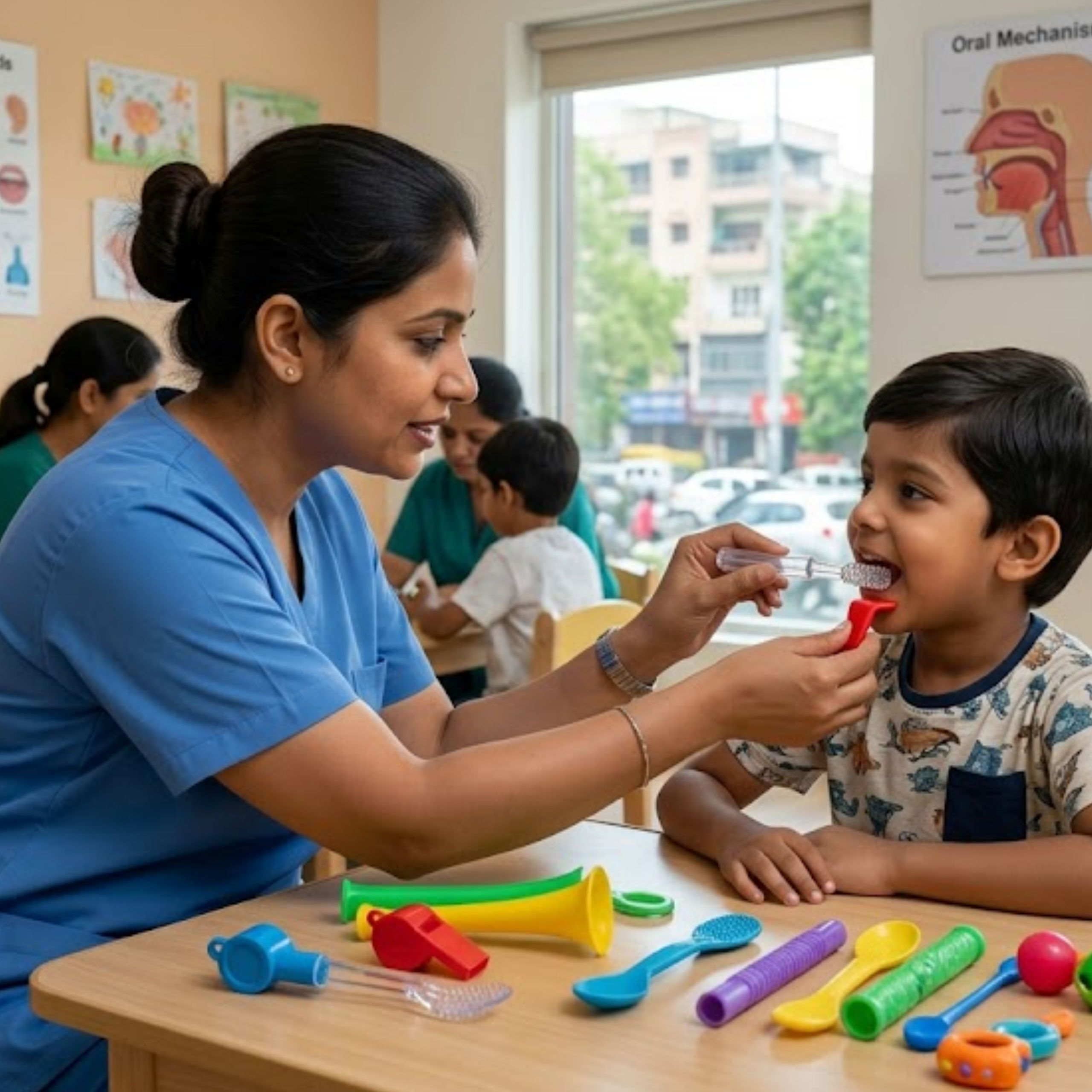
Oral Placement Therapy (OPT) is a specialized therapeutic approach focused on improving the strength, coordination, and awareness of oral structures such as lips, tongue, jaw, and cheeks. It supports children who face challenges with speech clarity, feeding, and oral motor control.
Whether a child struggles with sound production, drooling, chewing difficulties, or unclear speech, oral placement therapy provides individualized strategies based on the child’s motor abilities and developmental level.
Through guided oral motor exercises, sensory stimulation, and structured practice, therapists work closely with children and families to build accurate oral movements, improve speech intelligibility, and support confident communication in daily life.
If your child is experiencing speech or feeding difficulties, these signs may indicate the need for oral placement therapy.
Unclear speech or difficulty producing specific sounds
Weak lip, tongue, or jaw movements
Difficulty chewing, biting, or swallowing food
Limited oral awareness during speech
Excessive drooling or poor saliva control
Avoids certain food textures or oral activities
Difficulty coordinating mouth movements
Speech delays linked to oral motor issues
Reduced speech clarity in social interactions
Trouble maintaining correct mouth posture